 Bid Management
Academy / Bid Management Guide
A complete guide of best practices · First Edition
Bid ManagementFrom Opportunity to Contract Award
If you’re ready to transform your bid management skills and consistently deliver winning proposals, Bid Management: From Opportunity to Contract Award is your ultimate roadmap to success.
By Ioana Corina Julan
- 16 chapters
- 74 sections
- 5 parts, from the opportunity to the contract
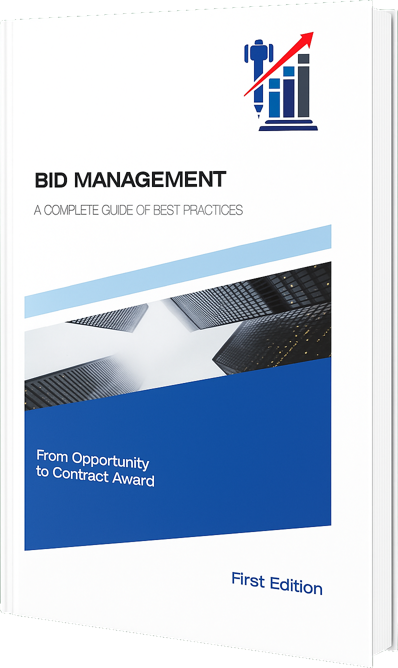
Inside the guide
The book follows a bid from the first signal of an opportunity to the signed contract and the lessons you take into the next bid. Each chapter is a step of that path.
Part 1Understanding the landscape
1Introduction to Bid Management6 sections
- 1.1 What is Bid Management, importance and impact
- 1.2 The Strategic Imperative Understanding Bid Management, Its History, Impact, and Key Players
- 1.3 The Bid Lifecycle - From opportunity identification to post-submission
- 1.4 Key Skills and Roles in a Bid Team
- 1.5 Leveraging Technology in Bid Management
- 1.6 Embracing a Strategic Approach to Winning
2Identifying and Qualifying Opportunities5 sections
- 2.1 Sources of RFPs and Tender Notifications
- 2.2 Go No-Go Decision Framework - Key Criteria for Evaluating Opportunities
- 2.3 Developing a Robust Qualification Process
- 2.4 Understanding the Client Needs and Pain Points
- 2.5 Early Engagement Strategies
3Deconstructing the Request for Proposal6 sections
- 3.1 Detailed Analysis of RFP Structure and Components
- 3.2 Identifying Key Requirements and Mandatory Elements
- 3.3 Understanding the Client's Objectives and Priorities
- 3.4 Risk Assessment of the Opportunity
- 3.5 Developing a Compliance Matrix
- 3.6 Asking Clarification Questions Effectively
Part 2Planning and strategy
4Developing a Winning Bid Strategy5 sections
- 4.1 Defining Your Win Strategy and Value Proposition
- 4.2 Competitive Analysis and Differentiation
- 4.3 Proposal Structure and Content
- 4.4 Persuasive Writing and Communication
- 4.5 Pricing and Commercial Strategy
5Building and Managing the Bid Team6 sections
- 5.1 Assembling the Team
- 5.2 Defining Roles and Responsibilities Clearly
- 5.3 Establishing Effective Communication Channels
- 5.4 Running Successful Bid Kick-off Meetings
- 5.5 Motivating and Managing a Cross-Functional Team
- 5.6 Conflict Resolution within the Bid Team
6Creating the Bid Plan and Schedule5 sections
- 6.1 Developing a Realistic and Detailed Bid Schedule with Milestones and Deadlines
- 6.2 Resource Allocation and Management
- 6.3 Defining Deliverables and Ownership
- 6.4 Risk Management Planning for the Bid Process
- 6.5 Using Project Management Tools for Bid Management
Part 3Crafting the proposal
7Structuring the Proposal for Maximum Impact6 sections
- 7.1 Logical Flow and Organization of Proposal Sections
- 7.2 Executive Summary, Crafting a Powerful and Concise Overview
- 7.3 Understanding and Addressing Evaluation Criteria Directly
- 7.4 Demonstrating Understanding of Client Needs
- 7.5 Presenting Your Proposed Solution Clearly and Concisely
- 7.6 Highlighting Benefits and Value Proposition
8Writing Persuasively and Effectively6 sections
- 8.1 Principles of Clear and Concise Writing
- 8.2 Using Active Voice and Strong Verbs
- 8.3 Incorporating Evidence and Proof Points
- 8.4 Tailoring Language to the Client's Audience
- 8.5 Storytelling and Creating a Narrative
- 8.6 Avoiding Jargon and Technical Overload
9Developing Key Proposal Sections5 sections
- 9.1 Technical Proposal, Demonstrating Your Solution and Approach
- 9.2 Management Proposal, Showcasing Your Team, Experience, and Governance
- 9.3 Commercial Proposal Presenting Pricing and Terms Clearly
- 9.4 Legal and Compliance Sections, Ensuring Adherence to Requirements
- 9.5 Appendices and Supporting Documentation
10Visual Communication and Proposal Design4 sections
- 10.1 The Importance of Visual Appeal and Readability
- 10.2 Effective Use of Graphics, Charts, and Tables
- 10.3 Branding and Professional Presentation
- 10.4 Document Formatting and Consistency
Part 4Review, approval and submission
11The Review and Revision Process4 sections
- 11.1 Implementing a MultiStage Review Process
- 11.2 Developing Effective Review Checklists and Feedback Mechanisms
- 11.3 Incorporating Feedback and Making Necessary Revisions
- 11.4 Ensuring Compliance and Accuracy
12Obtaining Internal Approvals3 sections
- 12.1 Understanding Internal Governance and Approval Processes
- 12.2 Presenting the Final Proposal for Approval
- 12.3 Addressing Stakeholder Concerns
13Finalizing and Submitting the Proposal3 sections
- 13.1 Proofreading and Quality Checks
- 13.2 Formatting and Packaging the Proposal According to Instructions
- 13.3 Understanding Submission Requirements
Part 5After submission
14Post-Submission Activities3 sections
- 14.1 Acknowledgement and Confirmation of Receipt
- 14.2 Preparing for Potential Presentations or Interviews
- 14.3 Managing Clarification Requests
15Win Loss Analysis and Lessons Learned4 sections
- 15.1 The Importance of Analyzing Bid Outcomes
- 15.2 Conducting Effective Win Loss Reviews
- 15.3 Identifying Strengths, Weaknesses, and Areas for Improvement
- 15.4 Documenting Lessons Learned for Future Bids
16Continuous Improvement in Bid Management3 sections
- 16.1 Investing in Bid Management Training and Development
- 16.2 Leveraging Technology and Tools for Bid Management
- 16.3 Staying Updated on Industry Best Practices
The guide and the course
The online course follows the book chapter by chapter: every chapter is a module, with short lessons, videos, knowledge checks and a quiz. The course leads to the Certified Bid Manager exam.
Who it is for
Whether you’re a bid professional looking to sharpen your edge, a corporate employee, or an entrepreneur, the guide gives you the actionable strategies and insights you need to win.
Bid Management: From Opportunity to Contract Award
First Edition · Kindle edition on Amazon